New Article · How the NGT Broke India's Biochar Supply Chain — and Created a Once-in-a-Generation Opportunity · Read Now →
Home About Products Technology Milestones Insights Invest With Us
Susstains Engineering Solutions — Tumkur, Karnataka

India's Biochar
Supply Chain
is Broken.
We're Fixing It.

India's first NGT-compliant, zero-smoke commercial biochar plant is operational. Born from IIT Madras research. Built for industrial scale.

Scroll
The NGT banned the old way.
We built the only clean alternative.

India's traditional biochar producers operated the same way for centuries — burning biomass in earthen pits, filling the air with toxic smoke. The National Green Tribunal declared it illegal. Almost overnight, supply collapsed. Demand didn't.

Plant Operational — Tumkur, Karnataka
Latest from Our Desk
Supply Chain · May 2026
How the NGT Broke India's Biochar Supply Chain — and Created a Once-in-a-Generation Opportunity
The ban didn't reduce demand. It eliminated supply. Here's what happened — and why it matters.
Coconut shells — India's underutilised carbon resource
More productive
than legacy method
The Opportunity

India is sitting
on a mountain of
carbon wealth.

"The shells are everywhere. The demand is real. The compliance gap is ours to fill."

India is the world's second-largest coconut producer — generating vast quantities of coconut shells each year, the globally preferred precursor for premium activated carbon. Millions of hectares are also invaded by Prosopis juliflora, a declared weed that state governments spend billions to eradicate.

The industries that depend on this carbon — steel, activated carbon, agriculture — face a supply crisis with no compliant producer in sight. Susstains exists to solve it: converting two abundant, low-cost feedstocks into precision-grade biocarbon and biochar, using a proprietary process that produces zero visible smoke.

Why Now

Three forces have
converged at once.

The market, the regulation, and the technology have all aligned. The window is open — and Susstains is the only company positioned to walk through it.

01
Regulatory Elimination of Competition

The NGT banned smoke-emitting traditional carbonization. Legacy suppliers cannot comply. Susstains' zero-smoke process is not just better — it is the only legal option. A structural compliance moat that cannot be replicated.

02
Industrial Demand Cannot Wait

India's activated carbon manufacturers, steel companies under CBAM pressure, and agricultural markets need reliable biochar supply now. Demand has not shrunk with the ban — it has grown, with no supply to meet it.

03
A Decade of R&D, Now Commercial

The IIT Madras research programme took ten years. The patents are filed. The papers are published. The Tumkur plant is running. The science is done — what remains is scaling across Tamil Nadu, plant by plant.

National Expansion

One plant proven.
Eight more coming.

Our first commercial plant in Tumkur, Karnataka has validated the process, the supply chain, and the market. We are now expanding across Tamil Nadu — two dedicated production units, eight plants total.

Unit 1 — Tamil Nadu
Coconut Shell Biocarbon
4 Plants

Located in Tamil Nadu's coconut belt. Produces premium biocarbon for India's activated carbon manufacturing cluster.

Unit 2 — Tamil Nadu
Prosopis Biocarbon
4 Plants

Converts invasive Prosopis juliflora weed into bio-based carbon for steel production — decarbonising India's steel industry one tonne at a time.

What We Make

Two product series.
Every fraction used.

Coconut Shell Biocarbon
Biocarbon Series
Coconut Shell Biocarbon

The premium precursor for activated carbon manufacturing — for gold recovery, water filtration, and pharmaceutical applications.

Learn More →
Prosopis Biocarbon
Biocarbon Series
Prosopis Biocarbon

Invasive weed transformed into bio-based carbon for steel production — displacing fossil carbon from India's furnaces.
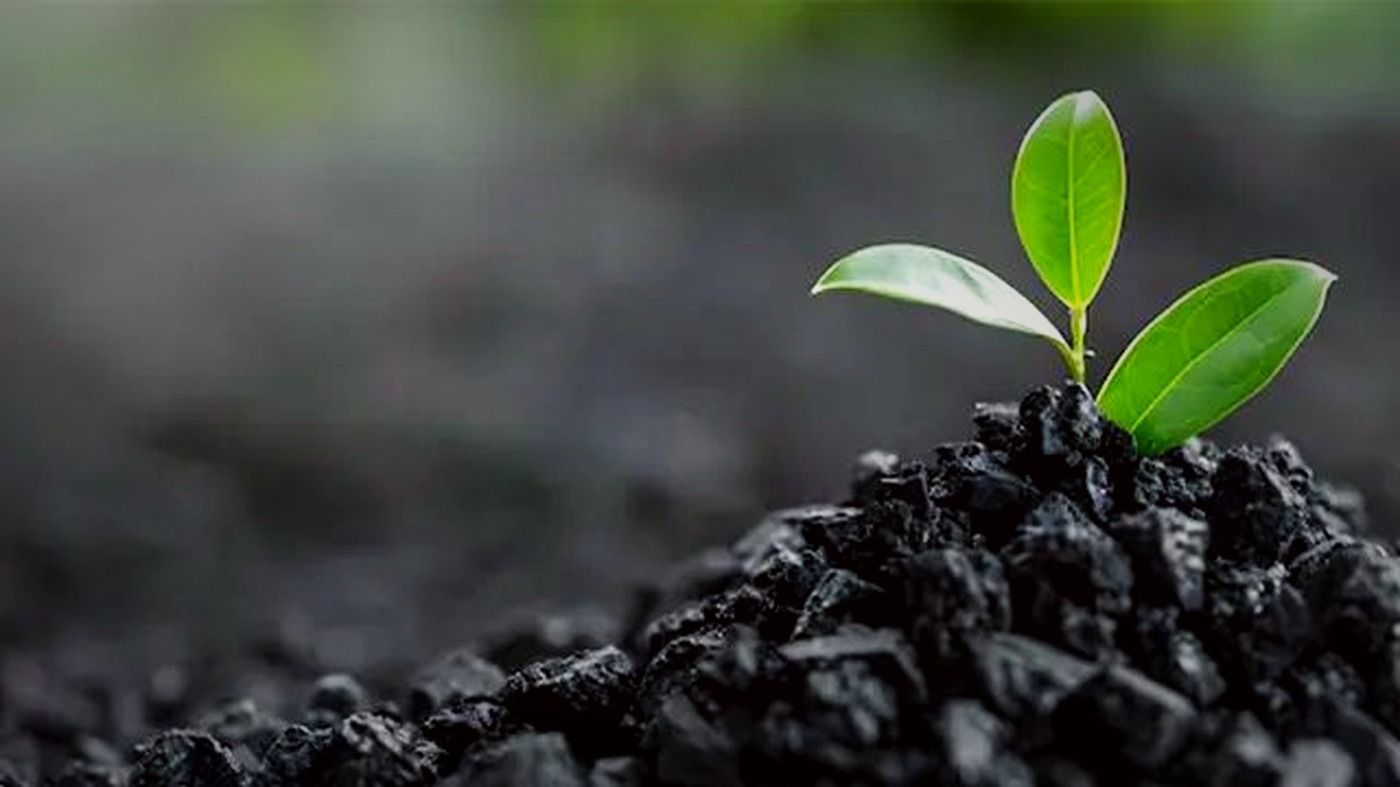
Learn More →
Biochar Series
Biochar Series
Biochar-Enriched Manure

Fine powder fraction blended with manure for farmers — improving soil health and sequestering carbon for over a thousand years.

Learn More →
Recognised by India's most credible institutions
Shell GameChanger MeitY TIDE 2.0 SISFS Grant NTPC Award AM/NS XCarb India Accelerator IIT Madras PMRF 2 Patents Granted
The supply gap is real.
The solution is operational.
Join us in scaling it.

We are raising equity to build 8 new plants across Tamil Nadu. If you want to be part of India's clean biochar transition, we'd like to hear from you.

About Susstains

Built in the lab.
Proven in the field.

Susstains Engineering Solutions was incorporated in 2021, but its roots go back a decade earlier — to a PhD research programme at IIT Madras that asked a simple question: why is India converting its most abundant agro-waste into carbon using the same technique used 5,000 years ago?

The answer became a proprietary carbonization process, two patents, three peer-reviewed research papers, eight national awards, and a commercial plant operating continuously in Tumkur, Karnataka. Susstains is not a research project seeking validation — it is a manufacturing company with technology, traction, and a national expansion plan.

2
Patents Granted
3
Research Papers
8+
National Awards
Susstains Commercial Plant — Tumkur, Karnataka
Muthu Kumar K
Muthu Kumar K
Founder & CEO
Founder's Story

From Coimbatore's coconut belt
to IIT Madras to
commercial reality.

My motivation to take up entrepreneurship stems from my deep-rooted connection to Coimbatore, the coconut belt of South India, where I have witnessed firsthand the pollution concerns associated with traditional biochar production methods. My startup co-founder, Mr. Karthik, once operated a traditional pit method for biochar production, which was shut down following the NGT ban due to its environmental impact.

With insights from Mr. Karthik, I developed an innovative technology for biochar synthesis during my M.Tech and Ph.D. program at IIT Madras, driven by a strong desire to address these pollution issues. Over the years, I have honed my expertise in charcoal production technology, enabling me and my skilled team to build the entire system internally.

Our team's deep understanding of market demands, gained through active engagement with customers, has allowed us to incorporate valuable insights into our product development. This comprehensive knowledge of both the technology and market dynamics inspired me to commercialize this solution and scale it up, transforming it into a viable business that addresses environmental challenges while meeting market needs.

PhD, Aerospace Engineering — IIT Madras (PMRF Fellow)
M.Tech — IIT Madras
2 patents granted including Patent No. 389137
3 peer-reviewed papers — Springer & Elsevier
Shell GameChanger · MeitY TIDE 2.0 · AM/NS XCarb awardee
Co-Founder

The man who lived the problem —
then helped solve it.

Karthik Kumar's story is inseparable from Susstains' origin. He ran a traditional pit-method biochar production operation — the same practice that the NGT eventually declared illegal due to its environmental toll. When his business was shut down, he didn't walk away from the industry. He brought ten years of ground-level knowledge to the co-founder who had spent those same years at IIT Madras developing a cleaner way forward.

Together, Muthu's technology and Karthik's supply chain knowledge form a combination that is nearly impossible to replicate. Karthik manages all raw material sourcing across Tamil Nadu and Karnataka — the coconut shell supply chain relationships he spent a decade building are a structural competitive advantage embedded directly into the business.

MS — University of Leeds, UK
10+ years coconut shell sourcing, Tamil Nadu & Karnataka
Former traditional biochar producer — deep market insight
Manages plant operations — Tumkur
Karthik Kumar — Co-Founder & COO
Karthik Kumar
Co-Founder & COO
Research Origins

The IIT Madras research team

PhD graduation — IIT Madras Faculty advisor and research peers

The technology behind Susstains was born in the Department of Aerospace Engineering at IIT Madras. A decade of collaborative research on biomass carbonization, gasification, and hydrogen generation laid the scientific foundation for the entire Susstains product platform.

Journey

From research question
to running plant

2015
Research begins at IIT Madras

PhD research under PMRF fellowship commences. Investigation into buoyancy-driven co-current carbonization yields a 5× productivity gain over traditional methods in early laboratory results.

2019
Patents filed — Carbonization & Activated Carbon processes

Two patents filed for proprietary process innovations. Single-step in-situ activated carbon production demonstrated at IIT Madras with BET surface area of 965 m²/g validated.

2021
Susstains Engineering Solutions incorporated

Company registered. Shell GameChanger Award and MeitY TIDE 2.0 grant received. Prototype plant built and validated in Tamil Nadu.

2023
AM/NS XCarb India Accelerator — Selected

ArcelorMittal Nippon Steel India selects Susstains for its flagship green steel innovation accelerator. Validation from India's largest integrated steel producer.

2024
Commercial plant goes live — Tumkur, Karnataka

18.5 TPD commercial plant commissioned. Zero-smoke, NGT-compliant. First commercial biochar shipments dispatched to South India activated carbon manufacturers.

2026
Expansion — 8 plants across Tamil Nadu

AM/NS India confirms 15,000-tonne Prosopis biocarbon trial for its Corex plant. Equity raise launched to build 2 production units (4 plants each) across Tamil Nadu.

Awards & Recognition

Validated by the institutions
that matter

AM/NS XCarb Accelerator
AM/NS India — ArcelorMittal Nippon Steel
XCarb India Accelerator

Selected and funded through ArcelorMittal Nippon Steel India's flagship green steel innovation programme — the partnership that led to the 15,000-tonne confirmed biocarbon trial.

🏆
Shell International
GameChanger Award

Selected by Shell's global innovation platform for breakthrough clean energy technology

🇮🇳
Government of India — MeitY
TIDE 2.0 Grant

Technology Incubation and Development of Entrepreneurs grant from Ministry of Electronics & IT

NTPC Limited
NTPC Award

India's largest power utility recognised Susstains' clean energy technology

🌱
Government of India — DPIIT
SISFS Grant

Startup India Seed Fund Scheme recognition and early-stage funding

Our Mission
"To build India's first clean, compliant, scalable biochar supply chain — turning agro-waste into industrial carbon, agricultural soil, and eventually, clean energy."

Every atom of biomass matters. Every joule of energy is captured. No smoke. No waste. No compromise.

Product Platform

One proprietary process.
Two product series.
Zero waste.

Susstains' carbonization process produces two distinct product lines depending on feedstock and grade. Every fraction of every production run finds a market — from industrial steel plants to farmers' fields.

Biocarbon Series

Industrial carbon.
Clean and compliant.

High-grade biocarbon sold directly to India's activated carbon manufacturers and steel companies — as a clean, NGT-compliant substitute for fossil-based inputs. Our proprietary process — an advancement beyond our patented technology — delivers consistent grade, low ash, and reliable supply that industrial buyers can build procurement schedules around.

Biocarbon — Industrial Grade
Coconut Shell Biocarbon
→ Activated Carbon Manufacturers

Produced from Tamil Nadu's abundant coconut shell waste — the globally preferred precursor for premium activated carbon. Consistent grade, reliable supply, zero-smoke NGT-compliant production. Supplying manufacturers who serve gold recovery, water filtration, and pharmaceutical industries across India and globally.

Prosopis Biocarbon
Prosopis Biocarbon
→ Steel & Ferrosilicon Companies

Produced from Prosopis juliflora — a declared invasive weed that governments spend billions to eradicate. Our process converts this abundant feedstock into a bio-based substitute for fossil carbon in its Corex plant. AM/NS India has confirmed a 15,000-tonne trial — green steel begins here.


Biochar for soil
Biochar Series

Carbon in the ground.
For a thousand years.

Every production run generates a fine powder fraction — too fine for industrial customers, but ideal for soil. Blended with manure and applied to agricultural land, this fraction is biochar in its truest form: permanent carbon sequestration with measurable soil health benefits.

Carbon Credit Eligible

Biochar applied to soil is permanently sequestered for over 1,000 years. This product qualifies for Biochar Carbon Removal (BCR) credits on Puro.earth — an additional revenue layer on top of the farm gate price.

Biochar Enriched Manure
Biochar-Enriched Manure
→ Farmers / Agricultural Co-operatives

Fine biochar powder blended with organic manure — improving soil water retention, nutrient holding capacity, and microbiome health. Marketed to farmers across Tamil Nadu and Karnataka as a premium soil amendment with verified carbon sequestration credentials.

Carbon Credits

Puro.earth BCR pathway. Permanent sequestration — verified, auditable, monetisable.

Biochar Powder — Soil Amendment
Soil Amendment Biochar
→ Horticulture / Specialty Farms

Fine biochar powder packed and sold directly as a soil conditioner for horticulture, nurseries, and specialty crop operations. Documented chain of custody ensures traceability for carbon credit issuance — each bag placed in soil is a carbon removal event with a paper trail.

Registry

Puro.earth BCR pathway — sequestration >1,000 years, verifiable per BCR methodology.

End Markets

Where our products
go to work

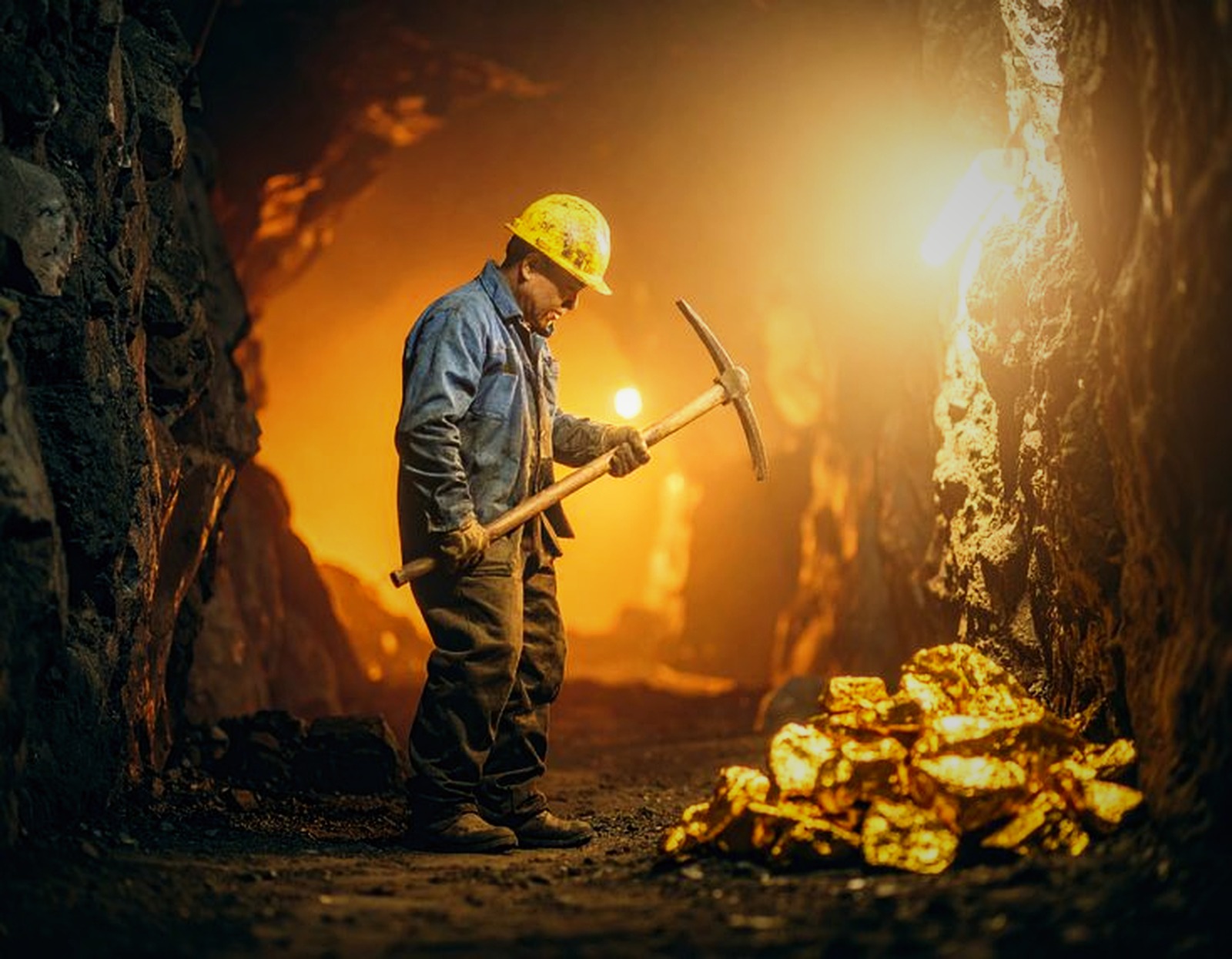
Gold Mining
Gold Mining

Coconut shell AC is the global standard for gold recovery using CIP/CIL adsorption circuits

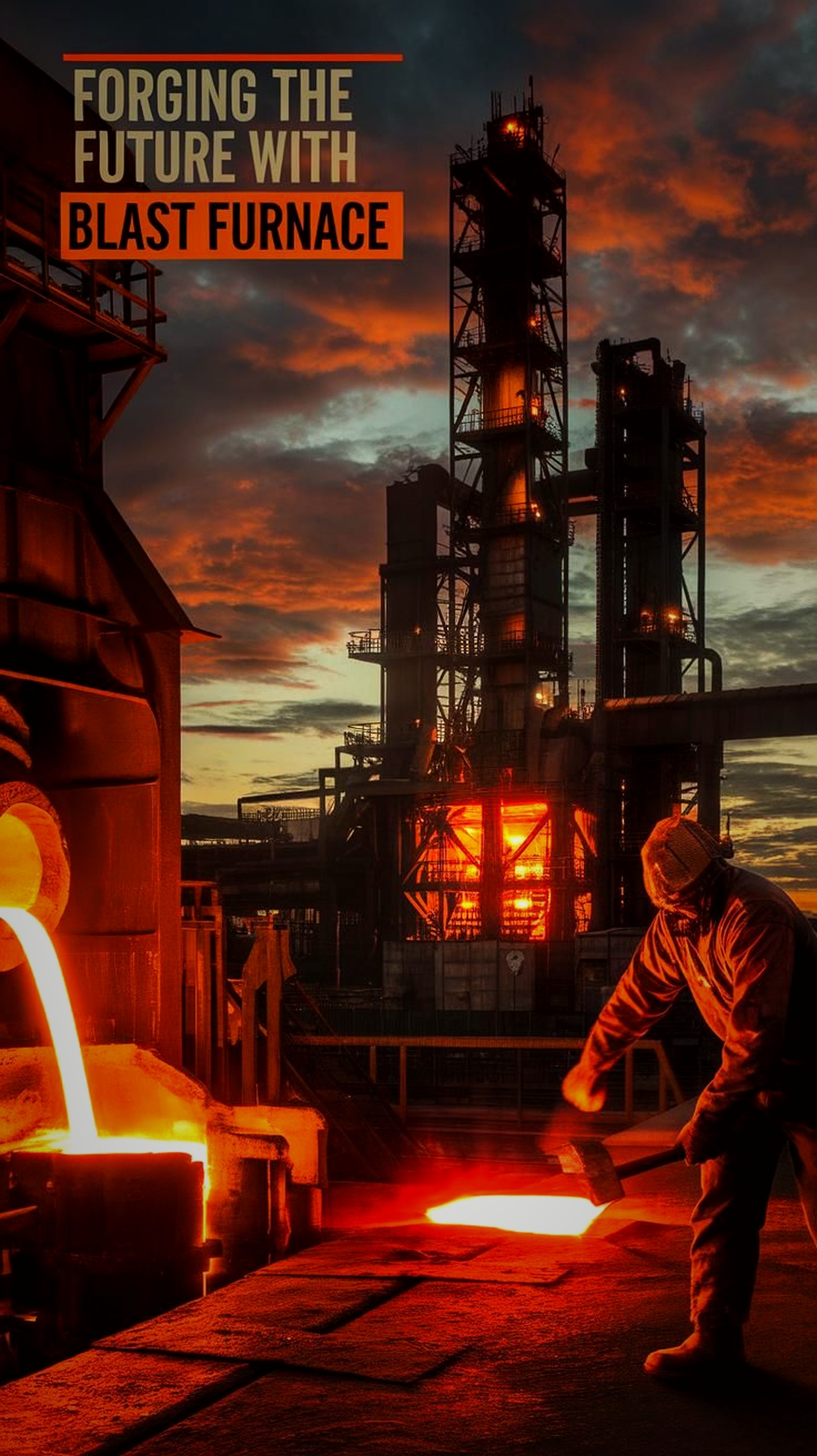
Steel Production
Steel Production

Bio-based carbon substitute in Corex and sintering processes — reduces fossil carbon dependence under CBAM pressure

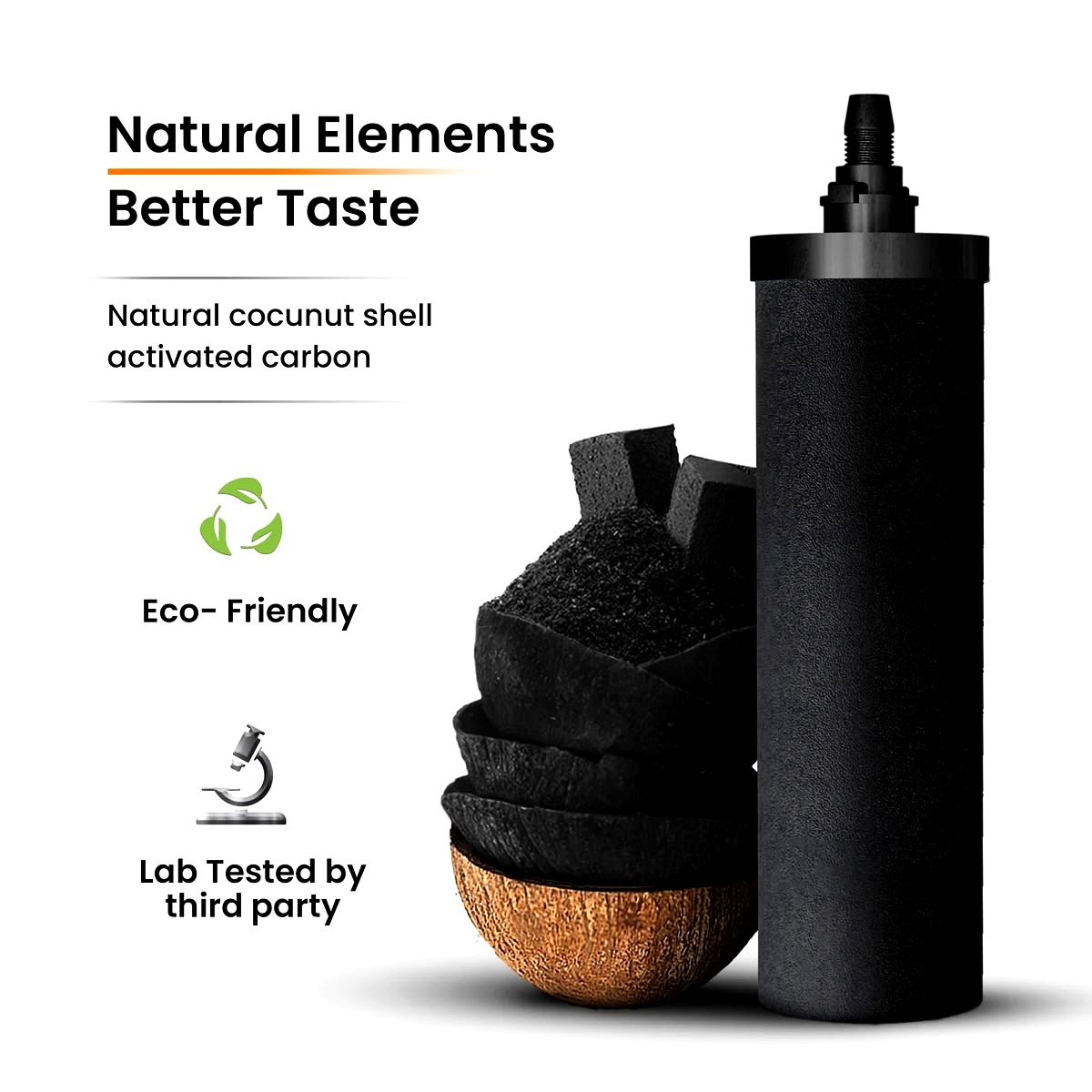
Water Filtration
Water Filtration

Activated carbon in household and industrial water purification — a high-growth recurring market

Agriculture
Agriculture

Biochar in soil sequesters carbon for 1,000+ years, improves crop yield, and earns carbon credits

Technology

10 years of research.
One proprietary process.
Now commercial.

Susstains' core innovation is a proprietary buoyancy-driven co-current carbonization process — a fundamental rethinking of how biomass is converted to carbon. No forced draft. No external fuel after ignition. No visible smoke. Our commercial plant is an advancement beyond our patented process, incorporating operational learnings that make it more efficient, more consistent, and fully trade-secret protected.

Susstains Commercial Plant — Tumkur
How It Works

From agro-waste to
precision-grade carbon

01
Feedstock Intake

Coconut shells or Prosopis juliflora wood fed into the top of the tower via conveyor. Moisture is controlled for optimal carbonization yield.

↓ Dual Feedstock Capable
02
Co-Current Carbonization

Buoyancy-driven airflow creates a self-sustaining co-current reaction zone. No forced draft, no external fuel after ignition. 5× more productive than traditional methods.

↓ Zero Smoke, NGT Compliant
03
Grade Separation

Lump biocarbon separated from fine powder fraction. Lump goes to industrial buyers. Fine powder retained for the Biochar Series — zero waste from every run.

↓ 100% Utilisation
04
Quality & Dispatch

Grade verified against buyer specifications. Products dispatched in bulk bags. TN plants will serve the AC cluster within same-day logistics distance.

↓ Direct to Buyer
Technology Roadmap

One plant infrastructure.
Three value horizons.

Biocarbon Production
Stage 01
Biocarbon & Biochar
● Operational

Our proprietary co-current carbonization process — an advancement beyond our patent — produces high-grade biocarbon for industrial buyers and biochar powder for agriculture. Running at Tumkur since 2024. Expanding to 8 plants across Tamil Nadu.

Zero-smoke, NGT compliant
18.5 TPD commercial capacity
Expanding to 8 plants — Tamil Nadu
Rotary Kiln — Activated Carbon
Stage 02
Activated Carbon via Rotary Kiln
◎ Forward Integration

A conventional rotary kiln integrated forward from our biochar plant — converting our biocarbon into commercial-grade activated carbon on-site. Dramatically improves margins and enables direct supply to gold mines, water treatment, and pharma. Syngas from the rotary kiln also feeds Stage 3.

Rotary kiln integrated to biochar plant
Commercial-grade AC — gold, water, pharma
3–5× margin improvement over biocarbon
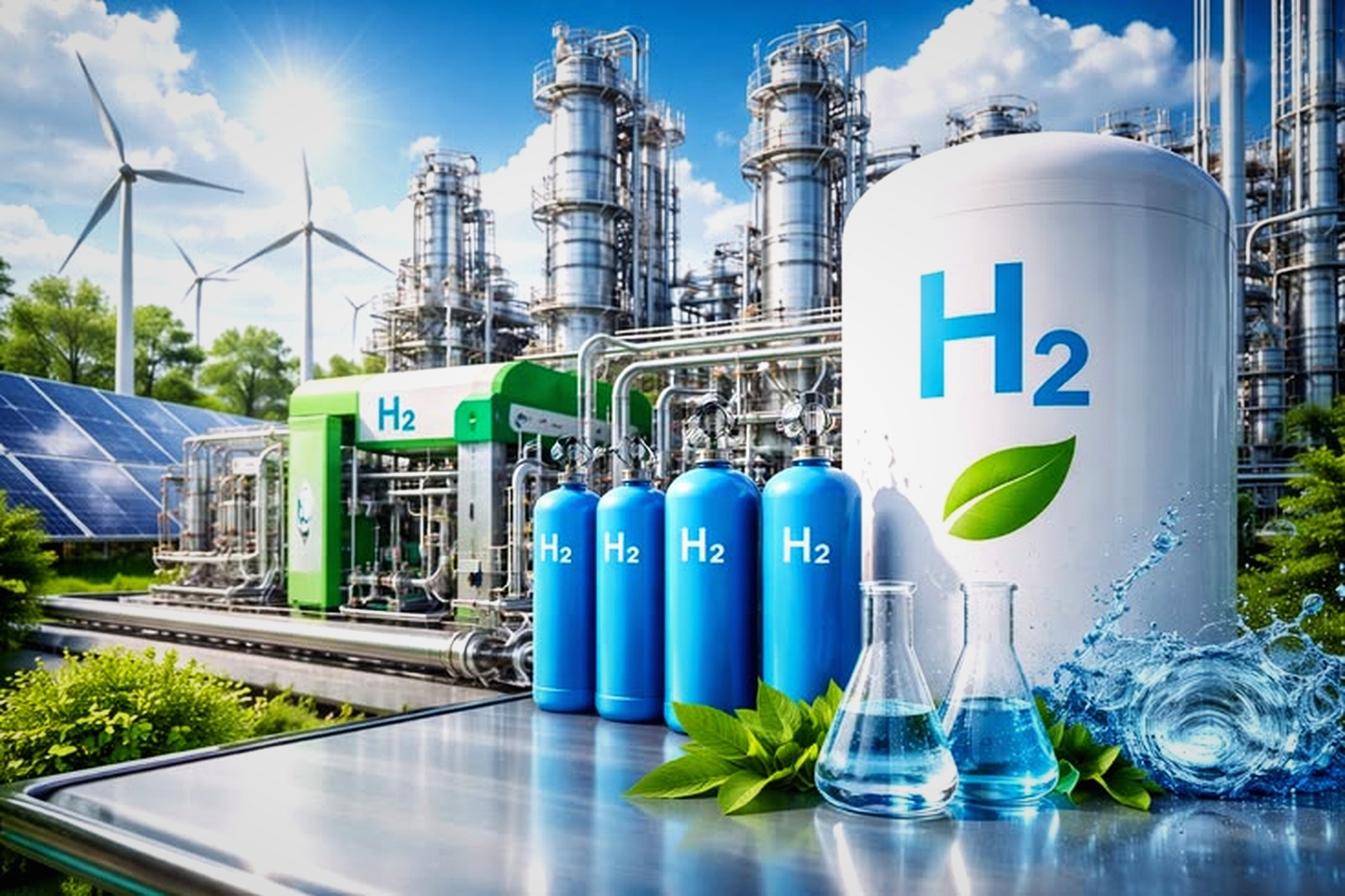
Green Hydrogen & Methanol
Stage 03
Green Hydrogen & Methanol
◇ Future Platform

Syngas produced by the rotary kiln system processed through a Water-Gas Shift reactor to generate green hydrogen or methanol. The same infrastructure — extended into clean energy. Validated at IIT Madras with no additional core CapEx required.

WGS reactor for H₂ or methanol
Proven at IIT Madras
No additional core CapEx
Research & Innovation

A decade of science.
Published, patented, peer-reviewed.

All three peer-reviewed papers are published in Biomass Conversion and Biorefinery (Springer) — the field's leading journal. They form the scientific foundation of everything Susstains has built commercially.

Springer · Biomass Conversion and Biorefinery · 2023
Ultra-Rich Carbonization Through Flash Devolatilization for Synthesis of Biochar from Biomass
K Muthu Kumar & S Varunkumar · DOI: 10.1007/s13399-023-03817-6

Presents the URC-FD process — the scientific basis for Susstains' commercial biochar plant. Achieves 34.2% biochar yield, 10× higher production rate than the traditional mud-pit method, and 5× higher than conventional gasification. Feedstock flexible: validated for coconut shells, Prosopis juliflora, casuarina, and bamboo. Process is self-sustainable. Patent No. 408924 granted.

Springer · Biomass Conversion and Biorefinery · 2023
Single Step In Situ Activation Process for Activated Carbon Synthesis from Coconut Shells
K Muthu Kumar & S Varunkumar · DOI: 10.1007/s13399-023-03939-x

Demonstrates a scalable, self-sustained single-step process for activated carbon synthesis from coconut shells using air-steam mixture as activator in a counter-current packed bed. Identifies the extinction strain rate (~250 s⁻¹) as the critical controlling parameter. Maximum activation of 850 mg/g iodine value achieved. Patent No. 389137 granted.

Springer · Biomass Conversion and Biorefinery · 2024
In-Situ Gasification-Activation System with Staged Oxidizer Supply for Generation of Activated Carbon and Intrinsic Hydrogen-Rich By-Product Gas from Coconut Shells
K Muthu Kumar · DOI: 10.1007/s13399-024-05531-3

Presents the IGAS-SOS system — a bottom-lit counter-current packed bed achieving simultaneous activated carbon (965 m²/g BET surface area) and green hydrogen (27 g/kg biomass) production in a single step. Self-sustainable using producer gas for steam generation. BET surface area at least 2× better than earlier in-situ studies. Supercapacitor and specialty carbon applications also demonstrated.

IP India · Granted Patents
Two Patents — Both Granted to IIT Madras
Inventor: K Muthu Kumar

Patent No. 389137 — "Self-sustained single-step activation in-situ process for activated carbon synthesis from agro-residues." Covers the single-step AC process with demonstrated BET surface area of 965 m²/g.

Patent No. 408924 — "Self-sustained controlled oxidative flash devolatilization system for biochar synthesis." Covers the URC-FD biochar production process. Note: Susstains' commercial plant is a proprietary advancement beyond these patents — protected as trade know-how.

Milestones

Not projections.
Real milestones.
Real partners.

A commercial plant is running. India's largest steelmaker has confirmed a trial. The awards are on the wall. These are the facts on the ground — not forecasts.

Confirmed Demand

AM/NS India — 15,000-Tonne Trial

AM/NS India — XCarb Accelerator
AM/NS India — ArcelorMittal Nippon Steel
15,000-Tonne Biocarbon Trial Confirmed — Corex Plant

AM/NS India — India's largest integrated steel producer — confirmed a 15,000-tonne trial of Susstains' Prosopis biocarbon for its Corex plant at the Hazira steel complex. This confirmation came through the XCarb India Accelerator partnership and represents a landmark step in deploying Indian-made bio-based carbon in industrial steel production.

15,000
Tonnes
Confirmed Trial
Awards & Recognition

Recognised by the
institutions that matter

🏆
Shell International
GameChanger Award

Selected by Shell's global innovation platform for breakthrough clean energy technology

🇮🇳
Government of India — MeitY
TIDE 2.0 Grant

Technology Incubation and Development of Entrepreneurs grant from Ministry of Electronics & IT

NTPC Limited
NTPC Award

India's largest power utility recognised Susstains' clean energy technology

🌱
Government of India — DPIIT
SISFS Grant

Startup India Seed Fund Scheme — early-stage funding and recognition

🔬
IIT Madras
PMRF Fellowship

Prime Minister's Research Fellowship — India's most competitive doctoral research programme

📜
Government of India — IP India
Patent No. 389137

Granted patent for single-step in-situ activated carbon process. Second patent also granted.

📄
Elsevier & Springer Journals
3 Peer-Reviewed Papers

Published in Bioresource Technology, Biomass Conversion and Biorefinery, and Waste & Biomass Valorization

Plant Status

One plant operational.
Two units, eight plants coming.

KA-01 · Tumkur, Karnataka
Tumkur Plant
● Operational
Capacity18.5 TPD
FeedstockCoconut Shell
StatusShipping daily
ComplianceNGT Compliant
TN · Unit 1 — Tamil Nadu
Coconut Shell Unit
◎ Planned
Plants4 Plants
FeedstockCoconut Shell
MarketActivated Carbon Cluster
LocationTamil Nadu
TN · Unit 2 — Tamil Nadu
Prosopis Unit
◎ Planned
Plants4 Plants
FeedstockProsopis juliflora
MarketSteel / AM/NS Corex
LocationTamil Nadu
Insights

Setting the narrative on
India's biochar
supply chain.

We don't just produce biochar — we study it, question it, and write about it. Follow our thinking on the supply chain, regulation, markets, and the science behind everything we do.

NGT Supply Chain
Supply Chain · Featured
How the NGT Broke India's Biochar Supply Chain — and Created a Once-in-a-Generation Opportunity

The National Green Tribunal's ban on traditional charcoal kilns did not reduce demand for biochar. It simply eliminated supply. We trace exactly what happened — from a 2012 village protest in Tiruppur to a 2020 Supreme Court order — and why the gap it created may be the most significant structural opportunity in Indian manufacturing today.

Muthu Kumar K·May 2026·8 min read Read Article →
Coming Soon
Steel Industry
Can Biocarbon Replace Coke in India's Blast Furnaces? What the Science Actually Says

1 tonne of steel requires 360 kg of coke and 195 kg of coal — emitting 1.8 tonnes of CO₂. Research shows up to 60% of sintering coke can be replaced with biochar. Here's what that means for India's steel industry and where the real substitution opportunity lies.

⏱ Coming Soon
Supply Chain
Farm to Furnace: The Karnataka Coconut Shell Supply Chain No One Talks About

In Tamil Nadu, shells arrive by the truckload from bulk merchants. In Karnataka, every shell has to be found — farm by farm, household by household, two tonnes at a time. Here's how we built a sourcing network that competitors can't easily copy.

⏱ Coming Soon
← Back to Insights
Supply Chain

How the NGT Broke India's Biochar Supply Chain — and Created a Once-in-a-Generation Opportunity

Muthu Kumar K · Founder & CEO, Susstains Engineering Solutions · May 2026 · 8 min read
Susstains — India's first NGT-compliant biochar plant

On the 20th of November 2020, the National Green Tribunal issued a final order that most of India's manufacturing sector never heard about. It concerned charcoal. Specifically, coconut shell charcoal — the black, dense, high-carbon material that serves as the essential raw material for India's activated carbon industry, and increasingly for its steel sector.

The order was simple in its language and devastating in its effect: all charcoal manufacturing units operating in Tamil Nadu and other southern states were directed to shift to above-ground continuous process technology. They were told not to operate until they did. The design of the new process had to be approved by either IIT Madras or Anna University.

Almost overnight, India's biochar supply chain collapsed.

How it Worked Before

For centuries — and certainly for the past several decades in Tamil Nadu — coconut shell charcoal was made the same way: in earthen pits.

The pits were dug below ground level, typically around three metres in diameter and four-and-a-half metres deep, lined with brick. Coconut shells — procured from copra oil mills across Kangeyam Taluk in Tiruppur District — were loaded in batches and ignited. The process was straightforward: partial combustion, or pyrolysis, in a low-oxygen environment. Each cycle took approximately 72 hours.

The scale of the industry

A single pit could process approximately 45 tonnes of coconut shells per day. Units in Kangeyam Taluk operated between 10 and 100 tonnes per day, with multiple pits per unit. The Tiruppur-Coimbatore belt was the heart of India's coconut shell charcoal industry — and by extension, the primary feedstock hub for the country's activated carbon manufacturers.

But the process had a fundamental pollution problem — two of them, actually.

The first was atmospheric. During pyrolysis, approximately two-thirds of the calorific value of the coconut shells escaped as volatiles — CO, CO₂, oily substances, and particulate matter. These were vented, often poorly controlled, into the surrounding air. The smell and smoke were pervasive. Residents who lived near production clusters had complained for years.

The second was hydrological. At the end of each 72-hour cycle, the red-hot charcoal inside the pit — at temperatures approaching 1,000°C — had to be quenched with water to stop combustion. That water, now saturated with dissolved organics, phenolic compounds, and high concentrations of chemical oxygen demand (COD), was often disposed of on land. It leached into the groundwater.

The Protest That Started a Decade of Legal Battle

In October 2012, the residents of Veeranampalayam Panchayat had had enough. A public protest forced the Tamil Nadu Pollution Control Board (TNPCB) to act. A committee was constituted to inspect units and direct them to install air pollution control systems — common hoods, scrubbers, tall chimneys, and impervious tanks to collect and recycle quench water.

The National Green Tribunal constituted its own expert committee in October 2013 to find a permanent solution. What the committee found was stark: virtually every unit was using partial underground pit carbonization. The pollution control measures in place were minimal. Quench water samples showed very high concentrations of organics and phenolic compounds.

"The two pollution sources from the coconut shell charcoal units are the emissions during the carbonisation process and the potential for groundwater contamination by the residual quench water/scrubber effluent, if disposed on land."

The committee's recommendation: no new units to be permitted until an above-ground pyrolysis design was proven feasible. Existing units that had obtained TNPCB consent might continue, provided they adopted the recommended pollution control measures.

But the industry pushed back. Units argued that above-ground chambers were unsafe — there had been explosions and accidents. The heat retention required for the process, they said, could not be achieved above ground. The case dragged through the NGT for seven years.

The Order That Changed Everything

On 20 November 2020, the NGT disposed of the applications with a final direction. The language left no room for interpretation:

NGT Final Order — 20.11.2020

"The charcoal units operating in the State of Tamil Nadu and other southern States are directed to shift over to above ground level technology with the recommendation and the conditions imposed by the Committee... and the design approved either by the Indian Institute of Technology, Chennai or Anna University as suggested by the Board and till then they are directed not to operate such units."

The deadline for switching to continuous process manufacturing had technically been 1 April 2020 — before the order was even issued. The TNPCB issued a Circular Memo on 7 March 2022, directing all Joint Chief Environmental Engineers and District Environmental Engineers to ensure strict compliance. Anna University's Centre for Environmental Studies issued its vetted design guidelines in February 2022.

The message was unambiguous: operate with the new above-ground continuous process design, approved by IIT Madras or Anna University, or do not operate at all.

What Happened to Supply

The problem was that almost no one had the new technology.

The above-ground continuous process for charcoal manufacturing was not a mature commercial technology in India. A handful of units had attempted it; some had experienced operational difficulties. The TNPCB and Anna University had provided design guidelines, but guidelines are not the same as a proven, operating plant.

The result was predictable. Compliance was uneven, enforcement was proceeding, and a significant portion of the traditional supply — from the mud-pit units that had operated for decades — was no longer legally operating. The supply collapsed.

The demand did not.

India's activated carbon manufacturers — who depend on high-grade coconut shell charcoal as their primary feedstock — continued to operate. Their buyers continued to need activated carbon for gold recovery, water treatment, pharmaceutical applications. India's steel companies, under growing pressure from the Carbon Border Adjustment Mechanism in Europe, were actively looking for bio-based coke substitutes.

The gap between supply and demand widened. Import substitution opportunities emerged. And the premium for reliable, documented, NGT-compliant supply became significant.

Why This Is a Structural Event, Not a Temporary Disruption

This is the critical point that most observers miss. The NGT order did not create a temporary shortage that traditional producers can recover from by adding scrubbers and tall chimneys. It mandated a fundamental change in production technology — one that requires new capital, new design expertise, and regulatory sign-off from IIT Madras or Anna University.

The artisanal producers who have operated mud-pits for thirty years cannot simply pivot. The technology they would need to adopt requires engineering capabilities they do not have. The compliance pathway is real but requires significant new investment and institutional validation.

This means the structural supply gap will persist. New compliant entrants — those who have the technology already validated, the regulatory understanding already in place, and the operational track record already established — are not competing with legacy producers. They are replacing a category.

Where Susstains Stands

I should be transparent: I am the founder of Susstains Engineering Solutions, and this article makes the case for why the market we operate in is the right one to be in. The reader should weigh that accordingly.

But the facts are the facts. Our commercial plant in Tumkur, Karnataka is an above-ground, zero-smoke, continuous process charcoal production facility. The process was developed over a decade of research at IIT Madras — the same institution named in the NGT order as the approving authority. Our first published paper in 2023 documented the URC-FD (Ultra-Rich Carbonization through Flash Devolatilization) process that achieves 34.2% biochar yield at 10× the production rate of the traditional mud-pit method, with no visible smoke emissions.

My co-founder Karthik ran a traditional pit-method charcoal operation in Tamil Nadu. It was shut down under the NGT order. He brought that operational knowledge into Susstains — and we built the compliant alternative.

The question investors ask us is whether the demand is real. The answer is that the demand was always real — it was the supply that broke. We are rebuilding the supply chain, on the right side of the law, with technology that the NGT itself called for.

The supply chain is broken. The demand is real. The window for building the replacement is open right now — and it will not stay open indefinitely.

Muthu Kumar K is the Founder & CEO of Susstains Engineering Solutions LLP, and holds a PhD in Aerospace Engineering from IIT Madras (PMRF). He is the inventor of two granted patents in biochar and activated carbon synthesis. Susstains is currently raising equity to expand its plant network across Tamil Nadu. Write to muthu@susstains.com or visit www.muthukumark.com.

The supply gap is real.
We're building the solution.

Susstains is raising equity to build 8 new plants across Tamil Nadu. If you want to be part of India's clean biochar transition, reach out.

Invest With Us

Let's rebuild India's
carbon supply chain
together.

We are raising equity to commission 8 new plants across Tamil Nadu. If you are an investor, family office, or institution looking to participate in India's clean carbon transition — we want to hear from you.

📍
Registered Office
Tumkur, Karnataka — India
🏭
Plant Location
Tumkur Industrial Area, Karnataka
✉️
Email
muthu@susstains.com
🔗
Founder's Website
www.muthukumark.com
Current Equity Raise
₹18.5 Cr

Funding 8 new plants across Tamil Nadu — 2 production units of 4 plants each. One for coconut shell biocarbon, one for Prosopis biocarbon. Full financial model available on request.

Request Investment Materials

We'll send you the full investor deck and financial model within 24 hours.